
Lunch is easy to get wrong. It's the meal most often eaten standing up, skipped altogether or grabbed from a packet. It's also a good chance to eat more of the foods linked with long-term brain health.
Neurologist Dr Smita Patel of Endeavor Health's Center for Brain Health once shared her favourite lunch for brain health with EatingWell. It's a good starting point. But the research on diet and dementia is more nuanced than most headlines suggest, so this guide also covers what the evidence does and doesn't show, and how to build a lunch that works for you.
One Neurologist's Go-To Lunch
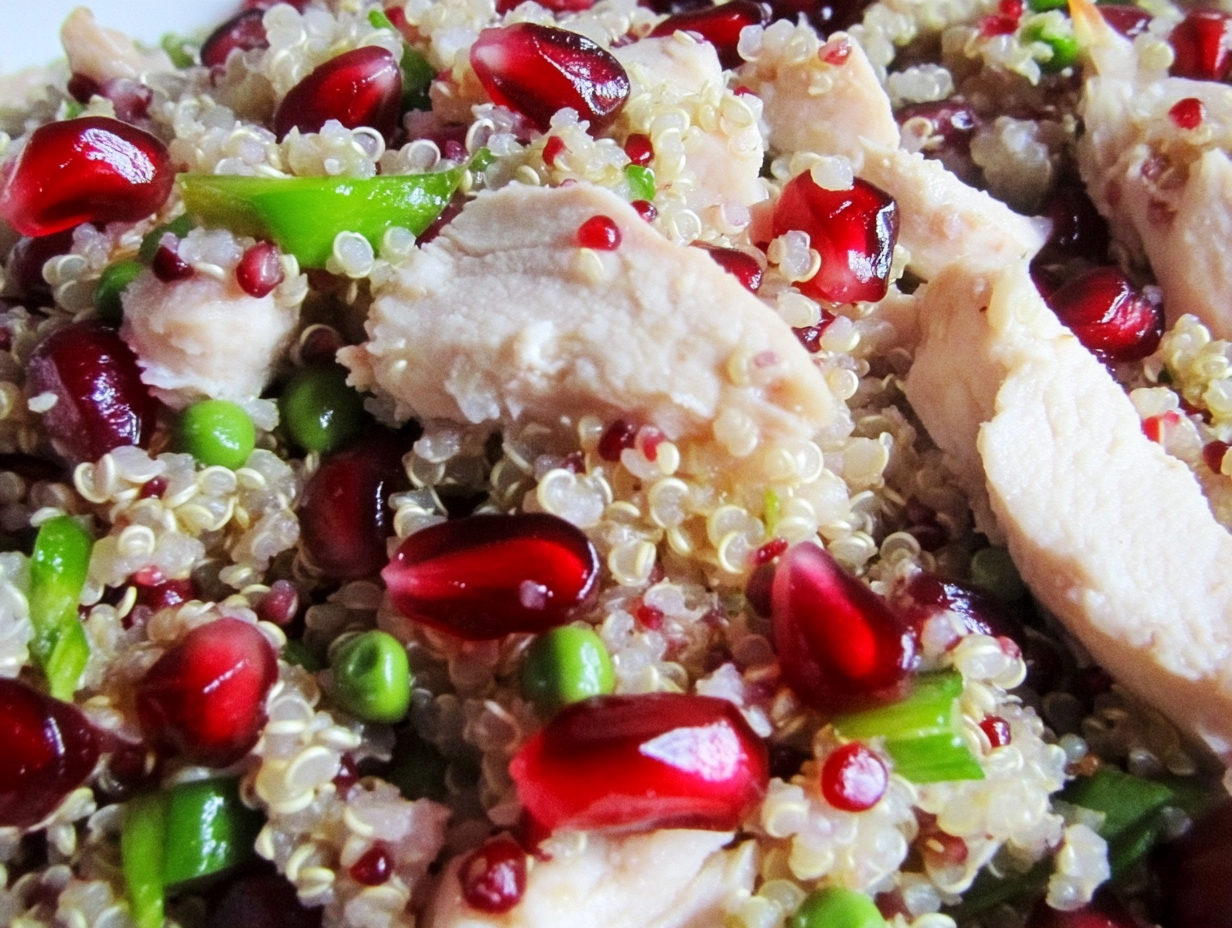
Dr Patel's pick is a chicken pomegranate quinoa salad. As reported by EatingWell, her recipe uses:
3/4 cup of quinoa
1 Fuji apple
pomegranate seeds
1/3 cup of almonds
mint and parsley
boneless, skinless chicken breast
She likes that parts of it can be prepped ahead, with the dressing added just before eating, and that it's flexible. For a vegetarian version, she suggests swapping the chicken for mung beans. She also likes the balance of protein, vegetables and healthy fats, which she says can provide sustained energy.
What makes this a good template is less any single "superfood" and more the mix: whole grains, fruit, herbs, nuts and a lean protein, with nothing ultra-processed.
What Research Says About Diet and Brain Health
Diet is one of the lifestyle factors linked to dementia risk. In July 2026, the World Health Organization released updated guidelines on reducing the risk of cognitive decline and dementia. WHO says up to 45% of dementia risk can be attributed to modifiable factors, and a healthy diet sits among its recommendations alongside physical activity, not smoking and cutting back on alcohol.
Beyond that broad advice, the evidence gets more complicated.
The MIND diet: promising, not proven
The MIND diet combines the Mediterranean and DASH diets, with extra emphasis on foods such as leafy greens, berries, nuts, fish and chicken. Observational studies linked it with slower cognitive decline.
But when researchers tested it in a three-year randomised trial, the results were less clear. As Rush University reported, cognition improved in both the MIND diet group and the control group. The MIND group improved slightly more, but not significantly more. Both groups lost around 5 kilograms, and the lead researcher suggested weight loss may have helped cognition. She also noted the control group already had a relatively healthy diet.
The takeaway isn't that the MIND diet is useless. It's that no single diet has been shown to prevent dementia, and eating well overall matters more than following one plan to the letter.
Omega-3s: fish rather than supplements
A 2023 meta-analysis of 48 studies with more than 100,000 participants found that eating more omega-3 fatty acids was linked with around a 20% lower risk of dementia or cognitive decline, especially for DHA.
That detail matters. DHA comes mainly from oily fish such as salmon, sardines and mackerel. Almonds are a good food, but they aren't a source of DHA.
It's also worth separating food from supplements. WHO's 2026 guidelines, as summarised by PAHO, do not recommend omega-3, vitamin B or E, or multivitamin supplements to reduce dementia risk unless someone has a diagnosed deficiency. So if you're interested in the potential benefit, a piece of fish in your lunch is a better bet than a capsule.
Ultra-processed food
Dr Patel also warns against diets high in ultra-processed foods. A Brazilian study published in JAMA Neurology followed 10,775 adults for a median of eight years. People whose ultra-processed food intake was above the lowest quarter had a 28% faster rate of global cognitive decline and a 25% faster rate of decline in executive function.
This was an observational study, so it shows a link rather than cause and effect. But it adds to the other good reasons to eat fewer packaged snacks, sugary drinks and fast food.
How to Build a Brain-Friendly Lunch
You don't need a special recipe. A simple formula works:
A base of whole grains or legumes. Quinoa, brown rice, wholegrain bread, lentils or chickpeas.
Plenty of vegetables. Leafy greens are a good default, plus whatever's in season.
A protein. Oily fish a couple of times a week, chicken, eggs, beans or tofu.
Healthy fats. An olive oil dressing, avocado, nuts or seeds.
Fruit or herbs for flavour. Berries, apple, pomegranate, mint or parsley.
Water. Many people drink less than they need in the middle of the day. Our guide to hydration in older adults explains why that matters.
A few easy combinations:
tinned salmon on wholegrain toast with a side salad
lentil and vegetable soup with a handful of walnuts
Dr Patel's quinoa salad, with grilled fish in place of chicken once a week
a wholegrain wrap with hummus, spinach, grated carrot and leftover chicken
For more ideas across the day, see food that feeds your brain.
Don't Skip Lunch
Dr Patel also makes a case for taking a proper lunch break. She says a dedicated break encourages healthier eating than snacking or skipping meals.
For older adults, and especially for people with memory problems, skipped meals are easy to miss. If you're supporting a parent, a regular lunchtime call or a simple reminder can help keep the habit going.
Meals and drinks are part of the daily routine Elli Cares is built to support. Gentle reminders can prompt lunch and a glass of water, and the daily check-in lets someone note how they're feeling. Family members in the care circle can see how the day is going and send a short video reminder when it helps. See how Elli supports seniors and families.
Frequently Asked Questions
What is the best lunch for brain health?
There's no single best lunch. A meal built on whole grains or legumes, vegetables, a lean or plant protein and healthy fats, with little ultra-processed food, fits current evidence. Neurologist Dr Smita Patel's go-to is a chicken pomegranate quinoa salad.
Does the MIND diet prevent Alzheimer's?
It hasn't been proven to. In a three-year randomised trial reported by Rush University, cognition improved in both the MIND diet group and a control group, with no significant difference between them.
Should I take omega-3 supplements for my brain?
WHO's 2026 guidelines don't recommend omega-3 supplements to reduce dementia risk without a diagnosed deficiency. Oily fish is a better way to get DHA, the omega-3 most linked with lower risk in research.
Small Changes, Most Days
Brain health isn't built in one meal. It comes from what you eat most days, alongside moving more, sleeping well, staying connected and managing health conditions. A good lunch is an easy place to start. Pick one change this week, whether that's adding fish, swapping a packet snack for fruit and nuts, or simply sitting down to eat. Our article on how nearly half of dementia cases could be prevented or delayed covers the bigger picture.

