
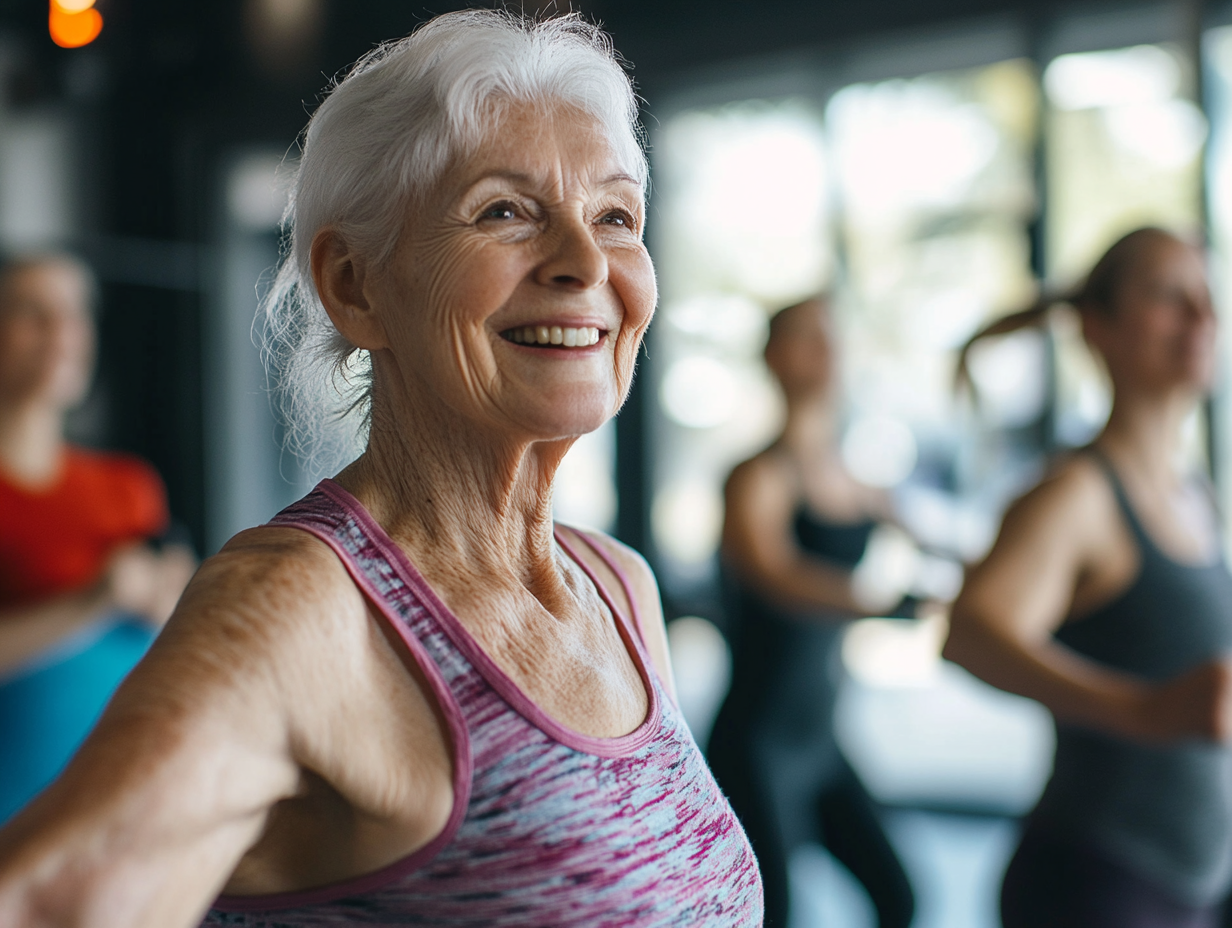
As we get older, it’s easy to focus on the numbers on the scale. Weight loss messages are everywhere: TV, magazines, and even in doctor’s offices. But here’s something worth pausing on: after 65, building muscle often matters far more than losing weight.
Muscle supports every movement you make. It empowers you to live independently, from getting out of bed to carrying groceries. And while a lower weight might sound healthy, losing muscle in the process can quietly set you up for falls and frailty.
In this guide, we’ll break down why strength, not size, is the real goal. We’ll look at how muscle impacts healthy ageing, the risks of muscle loss, and offer practical tips to maintain your strength for years to come.
Why Muscle Matters More Than You Think
Muscle isn’t just for bodybuilders. It’s your body’s engine. It helps you move, balance, burn kilojoules, and recover from illnesses. After 30, we naturally lose muscle mass each decade in a process called sarcopenia. This speeds up after 65, especially if we're not actively rebuilding it.
It matters because losing too much muscle:
- Increases your risk of falling
- Slows recovery after illness or surgery
- Weakens your immune system and energy levels
- Lowers your metabolism, making weight harder to manage
Muscle is protective. And you can start building it today.
👉 Curious about ways to improve your mental sharpness? See: Brain Health Tips For Seniors
The Hidden Risks of Focusing on Weight Loss
Many older adults try to lose weight by eating less. But this can often backfire. When you don’t eat enough protein or skip strength exercises, you don’t just lose fat. You lose muscle too. That’s a loss you can’t afford.
Crash diets or skipping meals may seem like a shortcut to health, but they can:
- Reduce bone density
- Weaken your heart and lungs
- Increase fatigue and brain fog
- Reduce your intake of essential nutrients
- Cause dangerous weight cycling (yo-yo dieting)
This is especially risky if you’re managing conditions like diabetes, arthritis or heart disease. What your body needs isn’t fewer kilojoules - it’s better nutrition and more movement to stimulate muscle.
👉 Related reading: What Food Cravings Might Be Telling You
Strength Is Independence
Want to stay living in your own home? Travel? Play with grandkids?
Strength is key for maintaining this freedom and independence. In fact, studies show that grip strength alone can predict longevity better than BMI.
Building muscle improves:
- Balance and stability
- Blood sugar control
- Mood and sleep quality
- Recovery from illness or surgery
In fact, strength training has even been linked to lower rates of depression and cognitive decline. Regular exercises at home or in a class can make a real difference.
💪 Looking for simple, at-home exercises? See these Strength Training Guides for Older Adults from the National Institute on Aging.

