

It often starts with small things. Your mum asks the same question twice in one phone call. Your dad, who always managed the finances, has let a few bills slip. A partner gets lost driving somewhere familiar. On their own, each moment is easy to explain away. Together, they start to worry you.
If you're noticing changes like these, you're not alone, and you're right to pay attention. Many things can cause memory and thinking problems, and some of them are treatable. If it is dementia, finding out early gives everyone more time to plan and get support.
This guide covers the early signs to look for, how to raise your concerns kindly, how to get a medical assessment, and what to do next.
Normal ageing or something more?
Some changes in memory are a normal part of getting older. Forgetting a name and remembering it later, or occasionally misplacing your glasses, usually isn't cause for concern.
The difference is whether the changes are new, getting worse, and affecting daily life. The Alzheimer's Association gives helpful comparisons. For example, sometimes forgetting names or appointments but remembering them later is a typical age-related change. Forgetting recently learned information, asking for the same information over and over, and relying more and more on notes or family members may be early signs of dementia.
Early signs to look for
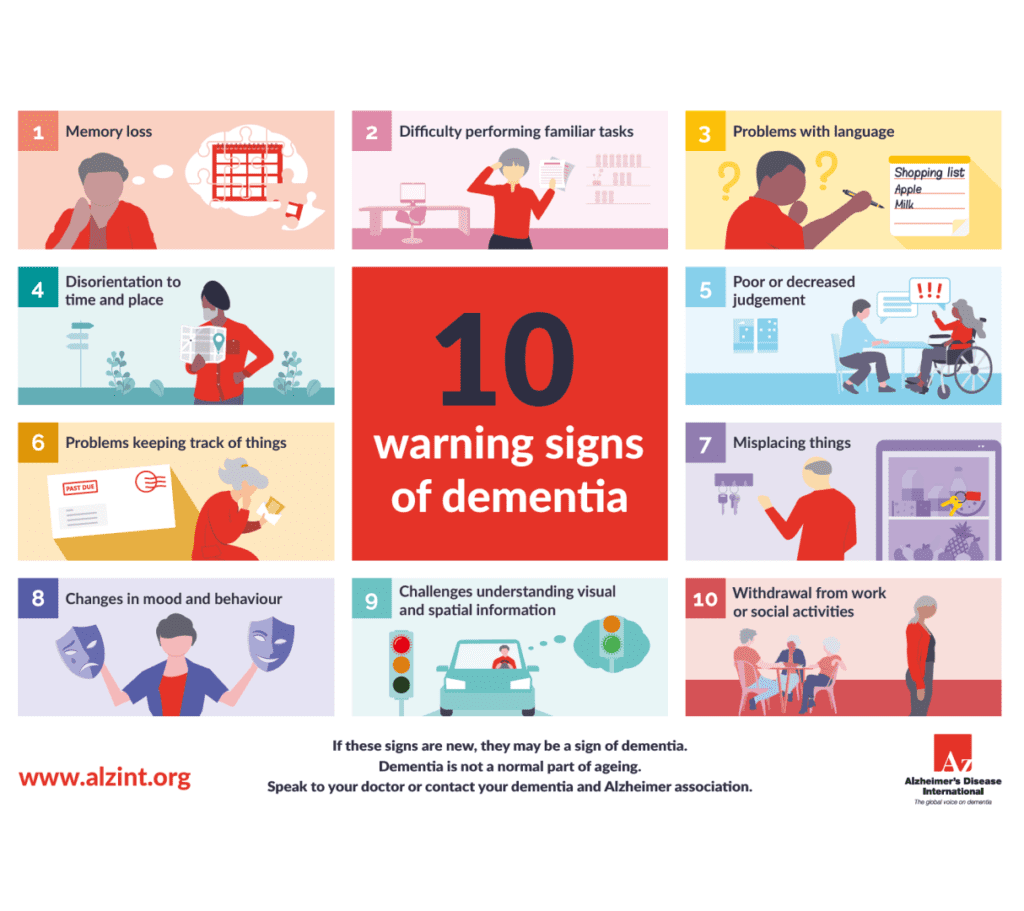
Alzheimer's Disease International lists 10 of the most common warning signs:
Memory loss, especially forgetting recent events or conversations
Difficulty with familiar tasks, like following a recipe or managing bills
Problems with language, such as struggling to find the right word
Disorientation to time and place, like losing track of the date or getting lost somewhere familiar
Poor or decreased judgement, such as unusual decisions with money
Problems keeping track of things
Misplacing things, sometimes in unusual places
Changes in mood and behaviour, such as anxiety, irritability or low mood
Trouble with visual and spatial information, like judging distances
Withdrawal from work or social activities
ADI stresses that everyone is different, and that no two people experience symptoms in exactly the same way. Our article on the 10 warning signs of dementia goes into each sign in more detail.
Other possible causes
Memory and thinking problems aren't always caused by dementia. ADI notes that it's important to rule out other treatable conditions that can cause similar symptoms, such as depression, urinary infections and vitamin deficiencies. Medication side effects, thyroid problems, sleep problems and hearing loss can also play a part.
A sudden change in confusion, over hours or days, needs urgent medical attention, as it may be a sign of delirium or infection. Our article on what causes sudden confusion in seniors explains more.
Start by writing things down
Before you talk to your loved one or their doctor, keep a simple record of what you've noticed. Include:
what happened, with specific examples
when it happened and how often
whether it's getting worse
any changes in mood, sleep, appetite or walking
A written record helps you see patterns clearly, and gives the doctor far more to work with than a general sense that "something's not right."
How to raise your concerns
This can be one of the hardest conversations a family has. A few things can help:
Choose the right time and place. Somewhere quiet and familiar, when neither of you is rushed or tired.
Lead with care, not a diagnosis. Try "I've noticed you seem a bit stressed lately, and I wanted to check how you're going" rather than "I think you have dementia."
Use specific, gentle examples. Focus on one or two things you've noticed, not a long list.
Listen. Your loved one may have noticed changes too, and may feel frightened or embarrassed.
Suggest a check-up. Framing it as a general health check can feel less threatening, and it's true that many causes are treatable.
Be patient. It may take more than one conversation. If they're resistant, give it time and try again.
Our article on personality changes in dementia has more on handling difficult reactions.
Alzheimer's Disease International has a good infographic that presents what to look for:
Getting a medical assessment
The first step is usually a visit to their regular doctor. Offer to go along and bring your notes.
In the US, Medicare's yearly wellness visit includes a cognitive assessment to look for signs of dementia. If the provider thinks there may be cognitive impairment, Medicare covers a separate visit for a more thorough review, including checks for conditions like depression, anxiety or delirium.
The doctor may:
ask about symptoms and medical history
review medications
do a short memory and thinking test
order blood tests to rule out other causes
refer to a specialist, such as a geriatrician, neurologist or memory clinic
Diagnostic tools are also improving. Blood tests and digital cognitive assessments are becoming more widely available, as our article on AI-powered cognitive assessments and early detection explains.
Why early diagnosis helps
An early diagnosis can feel frightening, but it opens doors:
Treatable causes can be found and managed.
Treatment options. Some medications can help with symptoms, and newer treatments are designed for the early stages of Alzheimer's disease.
Time to plan. Your loved one can take part in decisions about their care, finances and legal matters while they're able to.
Access to support. Support groups, education and services, including programmes like Medicare's GUIDE Model for eligible families.
Understanding. Knowing what's happening can ease confusion and conflict within the family.
Small changes are easy to miss, and easy to forget by the time you're at the doctor's. Elli Cares gives families a simple place to record what they notice. Daily wellbeing check-ins and family observation notes build a clear picture over time, and a downloadable report makes it easy to share with the doctor. Elli also supports daily routines with medication, appointment and video reminders. See how Elli supports seniors and families.
Planning ahead together
If a diagnosis is confirmed, there are some important steps to take early:
Legal planning. Set up powers of attorney for health and finances, and update a will.
Financial planning. Review accounts and bills, and consider who can help manage them.
Care preferences. Talk about what matters most to your loved one and what they'd want in the future.
Build a support team. Share the load among family members, and connect with local services.
Our guide to what to do after a dementia diagnosis walks through the first steps.
Look after yourself too
Worrying about someone you love is exhausting. Talk to people you trust, and consider a support group. In the US, the Alzheimer's Association 24/7 Helpline (800-272-3900) offers free advice and support at any hour, including for families who aren't sure what to do next.
You're not alone in this
Noticing early signs of dementia in someone you love is hard. But acting early, with kindness and patience, can make a real difference to their quality of life and to your family. Start by writing down what you've noticed, and take the first step of talking to a doctor.

