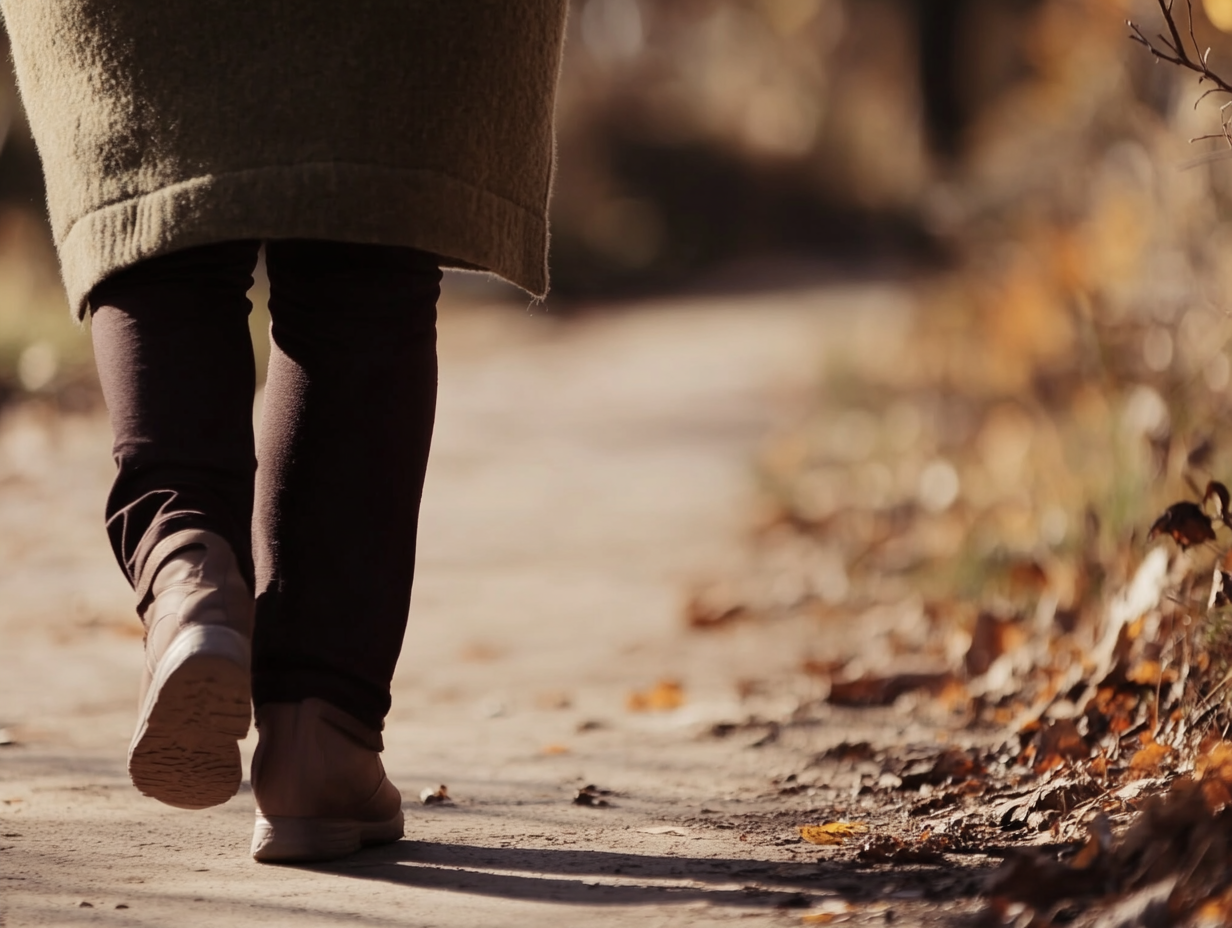
As we age, maintaining balance and walking stability becomes increasingly important. But, it’s often overlooked until a fall happens.
Walking steadiness refers to how stable and consistent a person’s steps are when they move. Good steadiness means confident, even walking with minimal risk of stumbling. Poor steadiness often shows up as unsteadiness, hesitation, or irregular steps. It's also a strong indicator of future falls.
The good news? Walking steadiness can often be measured, improved, and preserved with the right habits and support.
Here’s why it matters so much - and what you can do to strengthen it.
Why Walking Steadiness Matters
Maintaining walking steadiness isn't just about avoiding falls (though that's critically important). It also impacts:
- Confidence: People who feel unsteady often restrict their movements, leading to isolation and reduced quality of life.
- Independence: Strong walking steadiness helps seniors stay active longer, preserving the ability to age in place.
- Cognitive health: Physical activity, including walking, boosts brain health - and better steadiness makes regular movement safer.
- Overall health: Reduced mobility leads to muscle loss, weight gain, cardiovascular issues, and increased frailty.
According to the Centers for Disease Control and Prevention (CDC), falls are the leading cause of injury among older adults - but many falls can be prevented by improving strength, balance, and environmental safety.
👉 Related reading: How to Encourage Daily Walks for Cognitive Health
Early Signs Walking Steadiness Might Be Declining
- Fear of falling
- Shorter, shuffled steps
- Difficulty navigating stairs
- Frequent tripping or stumbling
- Grabbing furniture or walls for support
- Hesitating or freezing when stepping over thresholds
Small signs like these often precede larger falls which is why it's important to pay attention. Early intervention can make a huge difference.
👉 Learn more about preventing falls from the National Institute of Aging: Falls and Fall Prevention
How to Improve Walking Steadiness
The best approach is multi-faceted, addressing strength, balance, and environment. Here's how:
1. Strengthen Core and Leg Muscles
Muscle weakness - especially in the legs, hips, and core - is a major contributor to unsteady walking.
Simple strength exercises include:
- Sit-to-stand practice from a chair
- Heel raises (standing up on toes slowly)
- Resistance band exercises for legs and hips
- Mini squats while holding onto a stable surface
Tip: Aim for strength exercises 2–3 times per week.
2. Practice Balance Exercises
Balance can be retrained at any age. Try:
- Side stepping along a wall
- Single-leg stands (with support nearby)
- Tai chi classes - proven to significantly reduce fall risk
- Heel-to-toe walking (placing one foot directly in front of the other)
Balance exercises are especially helpful because they retrain the brain and body to work together again.
3. Incorporate Gentle Cardiovascular Activity
Regular walking itself strengthens endurance and coordination.
Start with:
- Short daily walks around the house or neighborhood
- Walk and talk calls with a family member
- Indoor walking circuits on rainy days
👉 Related reading: Best Hydration Tips for Seniors With Memory Loss (good hydration also supports steadiness!)
4. Assess and Modify the Home Environment
Sometimes it's not just the body. It’s the environment.
To keep the home safer and reduce the risk of falls:
- Remove throw rugs
- Clear cluttered pathways
- Install grab bars in bathrooms
- Use nonslip mats in kitchens and showers
- Add brighter lighting in hallways and staircases
👉 Related reading: How to Make Your Home Safe for Aging in Place
5. Wear Proper Footwear
Supportive, well-fitting shoes with non-slip soles are essential.
Avoid:
- Flip flops
- Slippers without backs
- High heels or heavy boots
Proper footwear gives better ground feel and traction.
Can Technology Help Monitor Walking Steadiness?
Yes!
Some smartwatches, apps, and devices now monitor walking steadiness passively by analyzing step patterns and changes over time.
Apps like Elli Cares, for example, are exploring ways to integrate wellness insights - including changes in movement and daily activity - that could signal declines early, allowing families to intervene before a fall occurs.
Early detection can mean early prevention.
👇 Take a look at how Elli Cares can help in the video below
Final Thoughts
Walking steadiness isn’t just about preventing falls - it’s about staying active, confident, and connected to life. By building strength, practicing balance, making safe environments, and leveraging simple tools, seniors can walk stronger for longer.
Supportive routines today create independent living possibilities tomorrow.
At Elli Cares, we believe in empowering seniors and their families with the tools and knowledge they need to move through life with steadiness and confidence.